Defence systems need to be particularly light and flexible depending on the operational environment. The use of composite components offers enormous potential for this – whether in the air, on land or at sea.
15 years of experience in defence
Ultra-rigid structures for the harsh conditions in any critical application
Project-specific solutions tailored to customer requirements
For over 15 years, the Connova Group has been developing and manufacturing high-performance composite structures, including those for military applications. Our lightweight, rigid, and durable components are used in applications where maximum load-bearing capacity, weight optimization, and tactical efficiency are critical—whether in armored vehicles, radar systems, missiles, or portable equipment. Thanks to our in-depth engineering expertise, proven manufacturing technology, and project-specific solutions, we meet the highest standards for reliability, safety, and long-term availability—even under extreme operating conditions.
Defense systems place the highest demands on materials and components: they must be lightweight and mobile, yet highly durable, have long-term strength, and be reliable under extreme conditions. Fiber-reinforced composites combine these properties in a single component—on the ground, in the air, and at sea.
CFRP structures significantly reduce weight compared to metal. This increases mobility, transportability, and payload capacity for mission-critical systems.
High specific stiffness and strength ensure structural performance under mechanical loads, shock, and vibration.
Under cyclic loading, fiber-reinforced composites fatigue more slowly than many metals and do not corrode—an advantage for high-frequency use and corrosive, marine, or extreme environments.
Non-metallic structures behave differently than metal in an electromagnetic context. Glass-fiber laminates are radar-transparent and are suitable for radomes and antenna covers.
Load-bearing structure, protective function, and interfaces can be integrated into a single component. This reduces the number of parts, weight, and assembly effort.
Well-defined processes and EN 9100:2018 ensure consistent quality—from initial sample qualification through to scaled-up production.
Military and aerospace systems place the highest demands on materials and components. Solutions are needed that offer high weight and space efficiency while also withstanding extreme conditions. Stealth capabilities, impact resistance, and high fatigue strength play a crucial role in this regard. Innovative materials can sustainably enhance performance, safety, and resilience.
Connova brings in-depth expertise in the development and manufacturing of complex structural components to demanding defense programs. Whether it’s extreme mechanical stress, vibration, temperature fluctuations, or corrosive environments—we deliver solutions that perform when it counts. Working closely with our partners, we develop custom composite and hybrid components that provide tactical advantages and reliably ensure operational performance under real-world conditions.
As experts in high-performance composites for the defense sector, we support our customers throughout the entire development process—from technical consulting and the development and design of complex components to the structural analysis and optimization of mission-critical systems. Our focus is on lightweight, robust, and certified solutions for military air, ground, and infrastructure applications.
Drawing on our many years of experience in the manufacture of high-performance composite materials, our experts select the most efficient production method for your defense products. In doing so, we ensure that the highest quality standards are met and that reliable delivery is guaranteed.
We offer a wide range of CNC services for both model and mold making and the finishing of composite components for defense systems. With 100% precision, we ensure that all components meet the highest standards of accuracy, reliability, and durability for use in safety-critical applications.
We offer a comprehensive range of mechanical machining services that can serve as an integral part of the manufacturing process for your defense composite components, as well as provide supplementary support for your own production. Our services ensure the highest precision and efficiency in all phases of production.
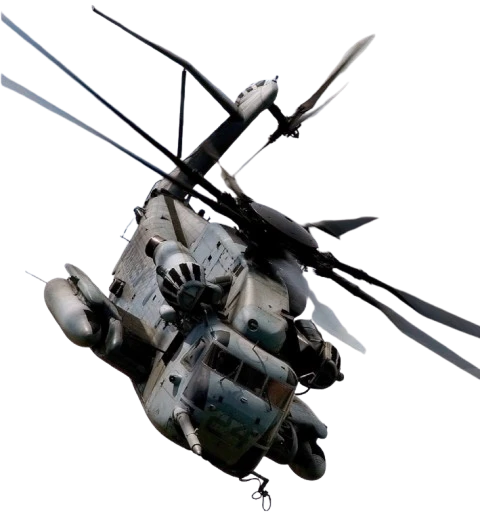
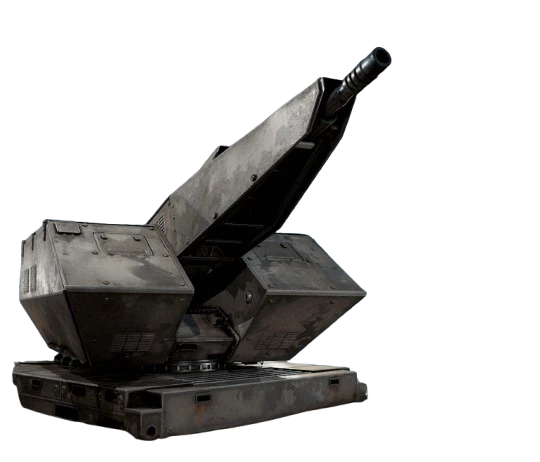
From air defense to portable systems: We develop and manufacture composite structures for the entire spectrum of defense—on land, in the air, and at sea.
Aerostructures, missile and launch vehicle structures. See also Aviation and UAVs & Drones.
Structural and protective components for armored vehicles and ground-based systems.
Corrosion-resistant structures for maritime applications. See also Marine & Shipbuilding.
Ultralight, highly rigid structures for aerospace-related defense applications. See also Aerospace.
Radar-transparent radomes and antenna mounts that maintain radar accuracy and withstand harsh environments.
Lightweight, portable structures for portable equipment and rapidly deployable systems.
From individual parts to certified series production—the range of composite and hybrid components we develop and manufacture for mission-critical systems.
Elmar Biller holds a degree in aerospace engineering from the University of Stuttgart (graduated in 1988) and brings well over 40 years of experience in the composites industry—including more than three decades in leadership roles responsible for safety-critical aerospace and defense applications. Before joining the Connova Group, he played a key role in the expansion of Biontec in St. Gallen for 11 years. There, high-performance carbon components for the mechanical engineering, sports, and aerospace industries are developed and manufactured in series production using TFP and RTM technologies. In the preceding 20 years, he developed the independent Composites business unit for Huber+Suhner AG from a small team within the central R&D department. There, he played a key role in establishing industrial production processes for high-performance composite components using prepreg, injection, and winding technologies. His technical expertise is complemented by leadership and management training at the Malik Management Center in St. Gallen as well as by the SKU Swiss Executive Schools’ management program in corporate leadership. Various products for the defense industry—such as structural components for the Swiss Army’s drone (Ranger) and high-load components for the “AHEAD” system—were developed and manufactured there. In the years prior to that, he gained extensive experience in the development and series production of small aircraft and industrial applications at FFT, a pioneer in the fiber-reinforced composite aircraft manufacturing industry.
Why You’ll Benefit from His Expertise:
“In the defense sector, absolute reliability is key to operational readiness. Our goal is to manage every development—from the initial sketch to certified series production—with the same precision and robustness that our customers demand in the field.”
— Elmar Biller, Defense Contact, Connova Group
Fiber, matrix, and core materials for mission-critical defense applications. Each combination is designed to meet specific load, temperature, signature, and quantity requirements.
The choice of process is just as critical as the choice of material. We handle the entire range of processes in-house and select the appropriate one based on geometry, load requirements, and production volume.
In addition to composite structures, we supply CNC-machined precision parts and assemblies for safety and defense applications—made from fiber-reinforced composites and, where required, from high-strength metallic materials. Finishing, assembly, and quality assurance are performed in accordance with EN 9100:2018.
High-precision milling and finishing of composite and metal parts for safety and defense applications—tight tolerances, reproducible results.
Precision parts, mounts, and mechanical components for the defense industry—from individual parts to assemblies, including assembly.
Machining of high-strength metallic materials for military applications, in addition to fiber-reinforced composite structures and hybrid components.
Structural and material solutions for damping shock and vibration in mission-critical systems.
Fully documented, traceable manufacturing using high-precision inspection and measurement systems in accordance with EN 9100:2018.
An experienced supplier and development partner for defense technology—from feasibility studies to quality-compliant mass production.
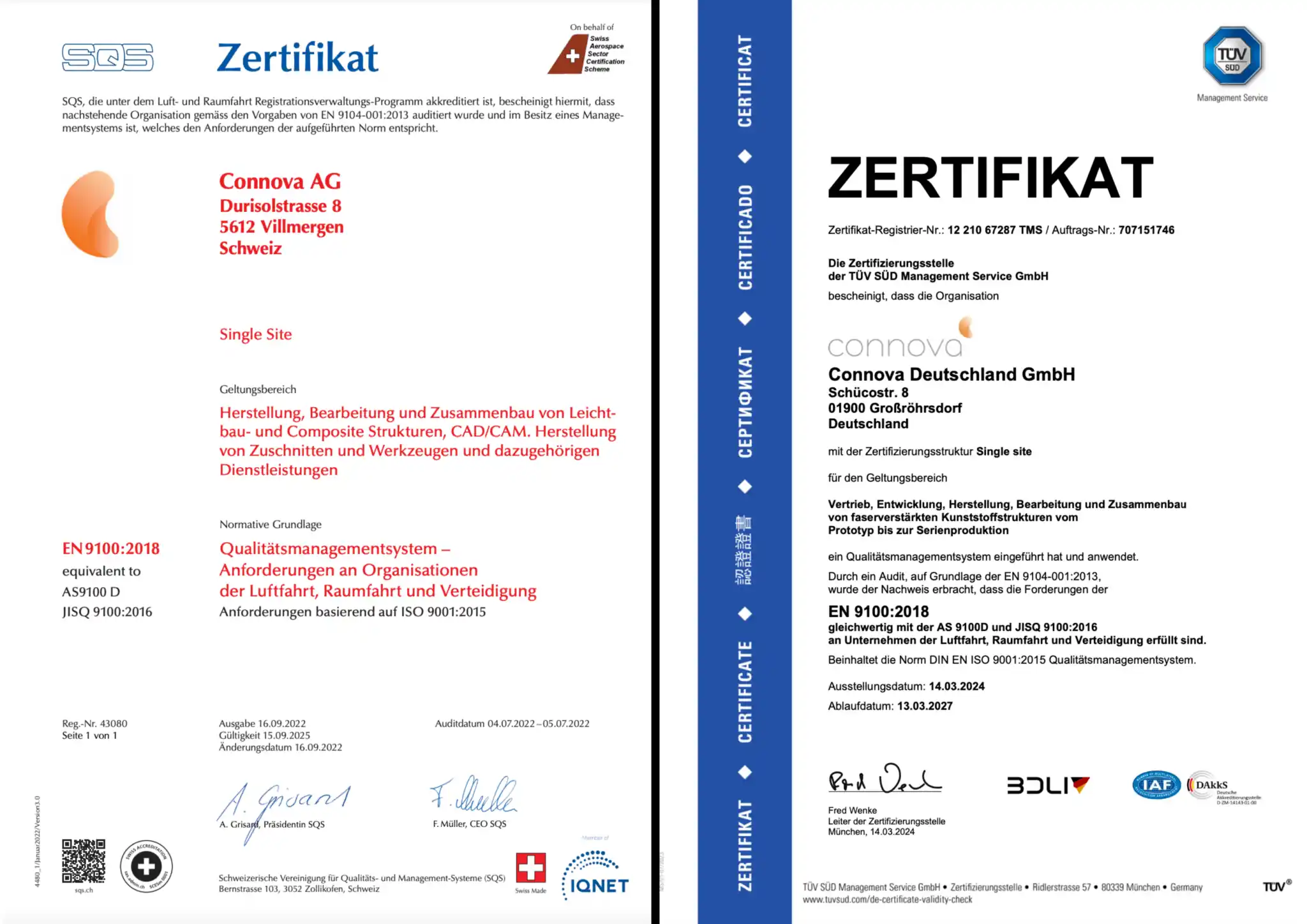
In addition to standard ISO 9001 certification, our company also complies with the rigorous EN 9100 standard—a critical quality standard for the aerospace and defense industries. From material procurement to final inspection, we guarantee fully traceable, controlled manufacturing. Our high-precision testing and measurement systems ensure that all requirements for civil and military applications are met—including robustness, traceability, and long-term availability.
You can rely on certified quality that withstands mission-critical conditions—on the ground, in the air, and at sea.
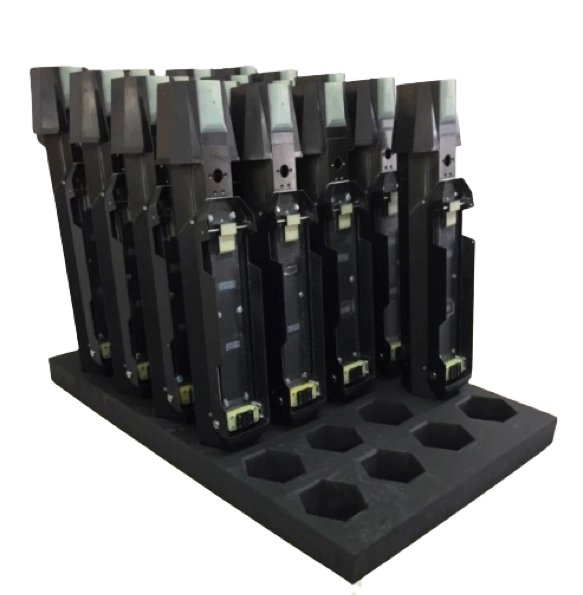
For the Dueras-Mass-DR system, we collaborated with Rheinmetall to develop a new launcher tube, including an interface to the onboard system. The structure was specifically optimized through material adjustments and FEM simulations and ultimately exceeded all requirements specified in the technical specifications. This was followed by the ramp-up to scaled-down series production, including tooling, CNC machining, assembly, and quality assurance. The project was executed in accordance with the highest aerospace standards—fully documented and certified to EN 9100:2018 (AS9100D).
Fiber-reinforced composites combine low weight with high stiffness and strength, fatigue resistance, and corrosion resistance. They increase mobility and payload capacity, withstand extreme operating conditions, and enable radar-transparent structures for sensor systems—on the ground, in the air, and at sea.
Yes. We develop and manufacture composite structures for air, land, and naval defense, as well as for C4ISR/sensor systems and portable, rapidly deployable systems—ranging from aerostructures to vehicle and protective components to maritime structures.
Structural panels, tubes and support structures, radomes and antenna mounts, rotor and fan blades, housings, impact-resistant secondary structures, mounts, and fairings—from individual components to certified series production.
Yes. Fiberglass laminates are radar-transparent and have a homogeneous material composition. They maintain radar accuracy and withstand harsh environmental conditions—a proven solution for lightweight, reliable radar enclosures.
Yes. In addition to fiber-reinforced composite structures, we supply CNC-machined precision and mechanical parts for safety and defense applications—made of composite materials and, where required, high-strength metallic materials, including finishing, assembly, and quality assurance in accordance with EN 9100:2018.
Yes. Our quality management system is certified to EN 9100:2018 (AS9100D) for the aerospace and defense industries, supplemented by ISO 9001—with full traceability from material procurement through final inspection.
Defense projects are handled under non-disclosure agreements (NDAs); specific component specifications remain confidential. We operate in full compliance with export control regulations (including ITAR and EAR) and maintain documentation in accordance with defense standards.
Yes. As a development and manufacturing partner, we collaborate with systems integrators and suppliers on national and international defense programs—from the feasibility phase through to certified series production.
From feasibility studies, design, and process selection, through prototyping and initial sample qualification, to scaled-up series production—with a single point of contact throughout the entire product lifecycle, as implemented in the Rheinmetall/Dueras program.
Carbon fiber (HT/IM/HM) for load-bearing and stiffness-critical structures, glass fiber for radar-transparent radomes and antennas, aramid for impact- and damage-tolerant components, as well as epoxy/high-temperature matrices and sandwich cores depending on load, temperature, and signature.
With many years of expertise gained from numerous projects in the field of lightweight construction technologies and composite materials, we offer comprehensive consulting services to help you bring your defense projects to fruition. Contact us for a professional, no-obligation consultation, during which we’ll discuss how we, as your potential partner, can help optimize your defense solutions. Our consulting service is free and comes with no obligation.
Key Terms in the Development and Manufacturing of Composite Materials for Defense—as a Reference for Procurement, Program Management, and Technical Evaluation.
In the aviation industry, the proportion of composite materials in components is traditionally high and can be as much as 60 percent.
Unmanned aerial vehicles and drones for a wide variety of applications are shaping the future of mobility.
Very lightweight and highly rigid carbon fiber composite structures are the standard for demanding applications in the aerospace industry.
Fiber-reinforced composites have been a staple of motorsports since the very beginning. For over 30 years, we’ve been bringing this technology to the road.
Composites follow different design principles than metals. This expertise is in our DNA—and that’s to your advantage.
Composite components are becoming increasingly important in mechanical engineering, automation, and robotics.