
Have you ever wondered how an aeroplane takes off or how a spacecraft travels millions of kilometres through space? An introduction to aerospace engineering provides the solution to these astounding accomplishments. This profession is considerably more than simply designing and building aircraft and spacecraft; it is also about understanding the complex systems that allow these technological wonders to exist. Aerospace engineering is at the heart of everything, from boarding a plane to flying around the world to exploring distant planets.
It is a field that has a significant impact on our daily lives, even if we do not always realise it. Aerospace engineers produce technology that influences how we communicate, travel, and explore the unknown. Aerospace engineering is responsible for some of our time’s most thrilling innovations, such as the jet engines that power commercial flights and the rockets that send astronauts into space. It’s a world where science meets imagination, and the boundaries of what’s possible are constantly pushed. So, if you’ve ever been curious about how humans achieve the impossible, aerospace engineering holds the answer to solving those mysteries.
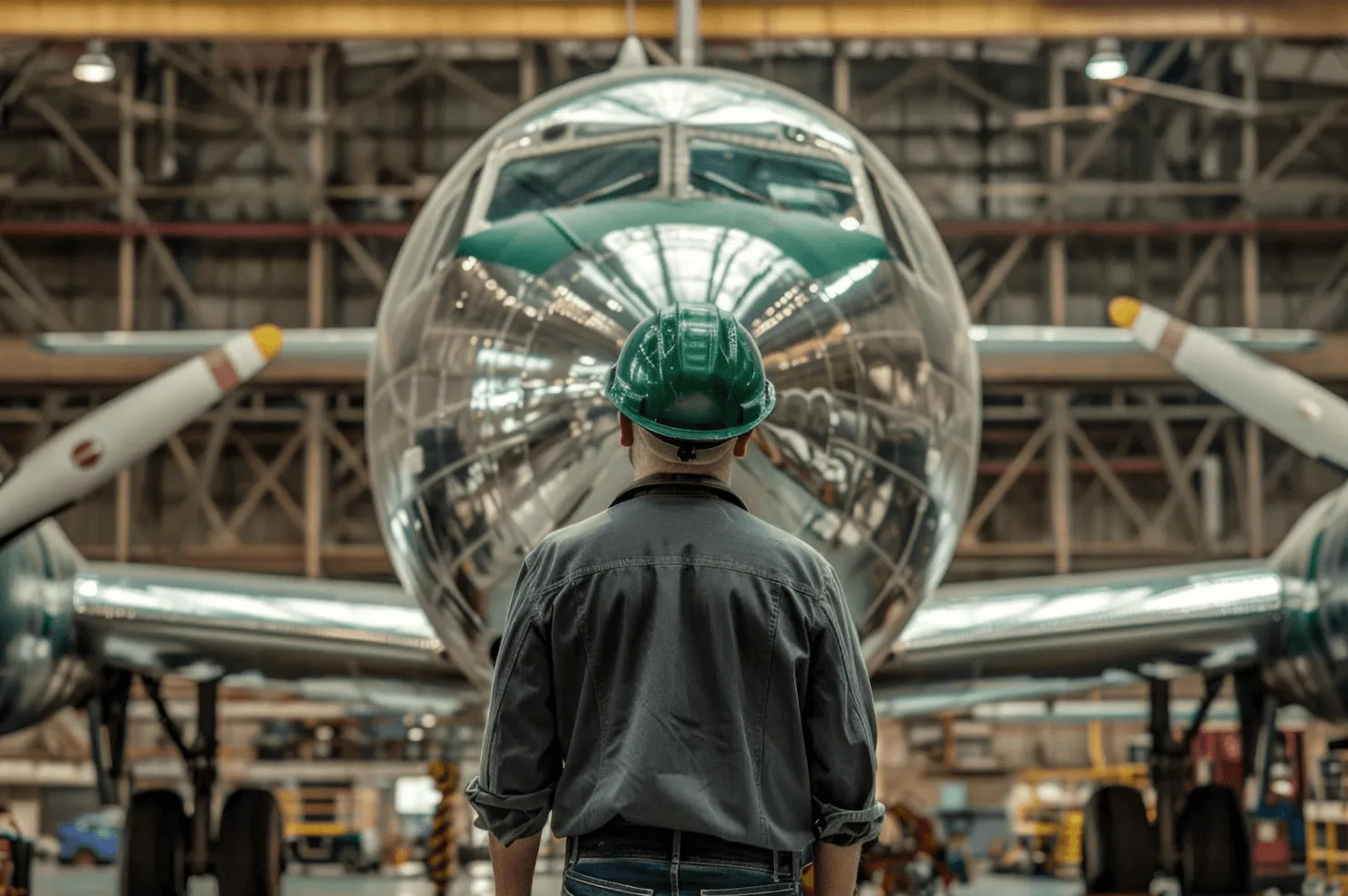
The history of aerospace technology is rich and full of outstanding achievements. It all began with early flight tests in which pioneers such as the Wright brothers carried out the first successful powered flight in 1903. This milestone heralded the beginning of modern aviation. Aerospace engineering education has made incredible progress over the years, leading to innovations such as jet engines, supersonic flight and space exploration.
Key figures in this discipline such as Sir George Cayley, known as the “father of aviation”, and NASA, which has played a pioneering role in space exploration, have contributed significantly to the advancement of aerospace technology. From the first moon landing to the most recent Mars missions, aerospace technology continues to push the boundaries of what is possible.
Aerospace engineering is divided into several branches, each of which has its own specialisation and application. If you understand these branches, you can grasp the entire spectrum of the subject. If you want to delve deeper into these disciplines, studying aerospace engineering at one of the best universities can give you a solid foundation while opening the doors to more advanced knowledge and career opportunities.
Aircraft construction
Aeronautical engineering is responsible for the design and development of fixed-wing aircraft (aeroplanes) and rotary-wing aircraft (helicopters). Engineers in this profession work on all types of aircraft, from commercial airliners to military jets, ensuring that they are safe and efficient and can be used in a variety of environments.
Space technology
Space technology deals with spacecraft and the associated systems. In this field, everything revolves around space exploration, be it putting satellites into orbit, building space shuttles or organising trips to other planets. If you compare aeronautical engineering and space engineering, it becomes clear that aeronautical engineering deals with aeroplanes within the Earth’s atmosphere, while space engineering deals with the challenges of outer space. Engineers in this field must be precise and resourceful to meet the challenges of working in a harsh environment such as space.
Aerospace technology
Aeronautical engineering is a broad term that encompasses the design of both aeroplanes and spaceships. It encompasses the study of aerodynamics, propulsion and structures, making it a diverse and important part of aerospace engineering. Aeronautical engineers work on everything that flies through the earth’s atmosphere and beyond.
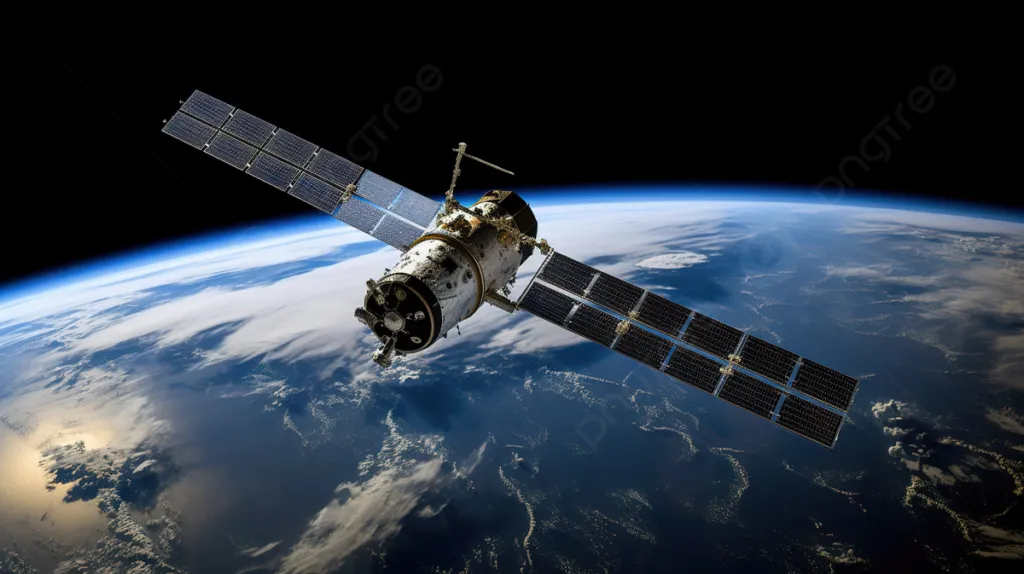
Aerospace engineering is based on some fundamental principles and concepts. Understanding the fundamentals of aerospace engineering is crucial for anyone interested in this profession.
Career paths in aerospace engineering
Careers in aerospace engineering offer numerous opportunities in research, design and production. The career prospects in aerospace engineering in Germany and Switzerland are excellent. Companies such as Deutsche Aircraft in Germany and Accelleron in Switzerland offer interesting opportunities for engineers working on innovative aerospace projects.
Aerospace engineering is a dynamic field that is constantly facing new challenges and fuelling innovation. Here’s a closer look at some of the current challenges and exciting innovations that are impacting the future.
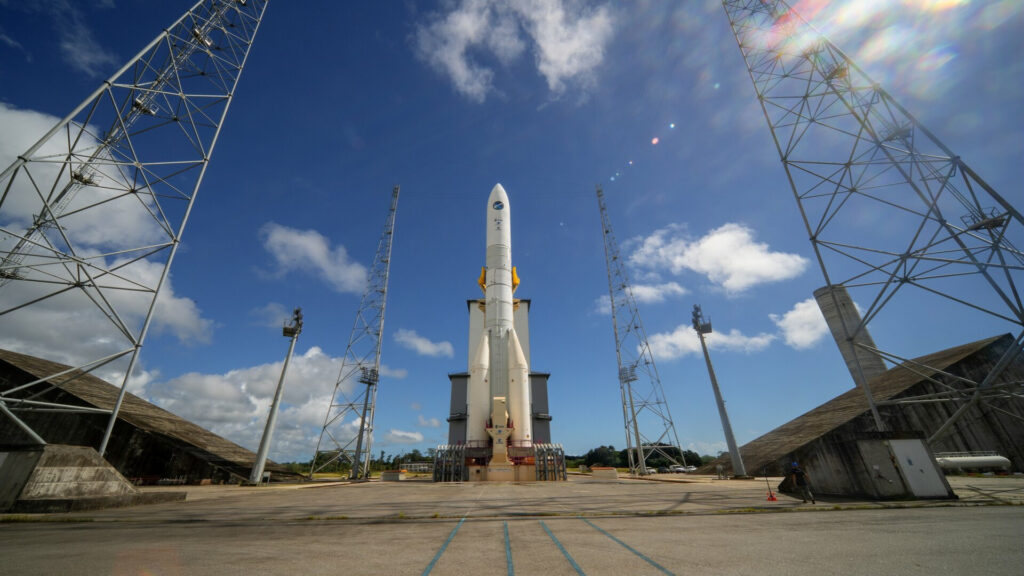
Composite materials are becoming increasingly important in aircraft construction. Their special properties make them suitable for a wide range of applications in aerospace engineering. Let’s take a look at what composites are, how they are used in the aerospace industry and what advantages they offer.
Composite materials are materials that consist of two or more components that have different physical or chemical properties. When these materials are joined together, they form a composite material with properties that differ from those of the individual components. Composite materials are often used in aircraft construction because they are light yet powerful and offer a good strength-to-weight ratio. This makes them ideal for use in aerospace applications where weight and strength are critical.
Airframes, wings, propellers and interior components are all examples of aircraft and spacecraft parts made from composite materials. Their lightweight construction helps to reduce the overall weight of the vehicle, resulting in improved fuel efficiency and performance. Modern commercial aircraft such as the Boeing 787 Dreamliner and the Airbus A350, for example, make extensive use of composite materials. These materials not only improve performance, but also help to reduce costs over the life cycle of the aircraft.
The advantages of using composite materials instead of standard materials such as metals are numerous. Composites offer greater fuel efficiency, which is crucial for commercial and military aircraft. They also offer better performance in terms of strength, durability and corrosion resistance. In addition, the use of composites can contribute to cost savings as they require less maintenance and have a longer service life than conventional materials. In essence, composites are revolutionising aerospace technology by making vehicles lighter, stronger and more efficient.
The use of composite materials in aircraft construction is constantly increasing as discoveries and technological advances shape the future of the sector.
Aerospace technology has evolved significantly from the past to the present, and this evolution continues today. Recent advances in aerospace engineering related to composite materials include 3D printing of composite parts, better production techniques and the discovery of new composite materials. 3D printing enables the production of sophisticated composite structures that were difficult to realise using traditional methods. This technology expands the possibilities for design and performance in aerospace engineering. Advanced manufacturing techniques enable the production of high-quality composite parts on a large scale, leading to increased use in the aerospace industry.

The future of aircraft construction looks bright, especially with the increased use of composite materials. As technology advances, we should expect to see even more novel applications of composite materials in aircraft construction. This could include the development of next-generation aircraft that are lighter, faster and more efficient than ever before. Companies such as Connova Group, which specialises in the supply of composite components, will play a key role in these advances. Indeed, as the aircraft industry evolves, composites will play an important role in shaping its future.
Aerospace engineering is a discipline that combines imagination, ingenuity and technical expertise to construct vehicles that allow us to travel through the skies and beyond. From the early days of aviation to today’s ground-breaking innovations in aerospace engineering, it has always been about pushing the boundaries of what is possible.
This comprehensive overview of aerospace engineering looks at the fundamentals, applications and advances in aeronautical engineering. We have traced the history of the field, examined its various branches and discussed the key ideas that underpin it. We have also examined the difficulties and breakthroughs that will shape the future of the field, in particular the use of innovative materials such as composites.
Anyone interested in aeronautical engineering has exciting prospects in research, design, production and consulting. This profession promotes innovation in the fields of transport, communication and space exploration. Aerospace engineering is more than just a profession; it is a journey of exploration and creativity. As the field advances, so do the opportunities. Aerospace engineering offers a unique and exciting career path, whether you are working on the latest aircraft or exploring space.
If you want to be at the forefront of this industry, consider the work of the Connova Group. Connova’s cutting-edge composite technologies are driving improvements in aerospace engineering. Working with such pioneers can help influence the future of aerospace engineering.
Aerospace engineering is concerned with the study and development of aeroplanes, spacecraft and associated systems. It encompasses several areas, including aerodynamics, propulsion technology, design, steering and control.
You will probably need a Bachelor’s degree in aerospace engineering or a similar profession. Advanced degrees and industry experience may lead to more specialised roles.
Aerodynamics, propulsion, structures, steering and control are among the most important disciplines. Each of them plays a crucial role in the design and performance of aircraft.
Composites are lightweight and durable materials with a high strength-to-weight ratio, making them ideal for aerospace applications. They increase fuel efficiency, performance and durability.
The future of aerospace technology looks promising, particularly in the areas of sustainable aircraft, space exploration and the continued use of innovative materials such as composites. Innovation will continue to drive the industry forward.