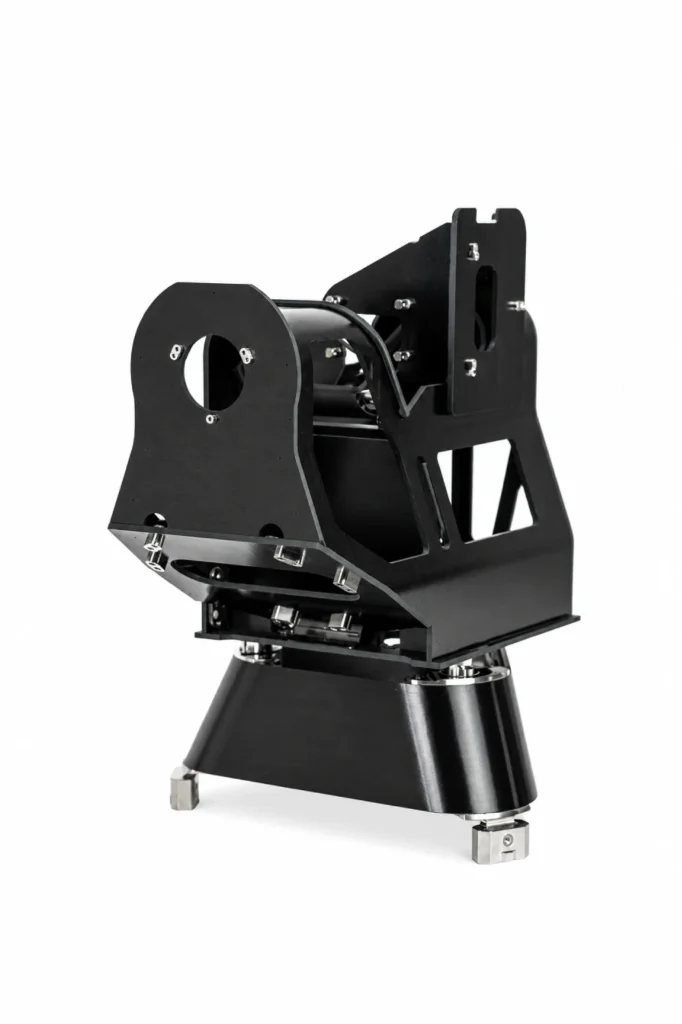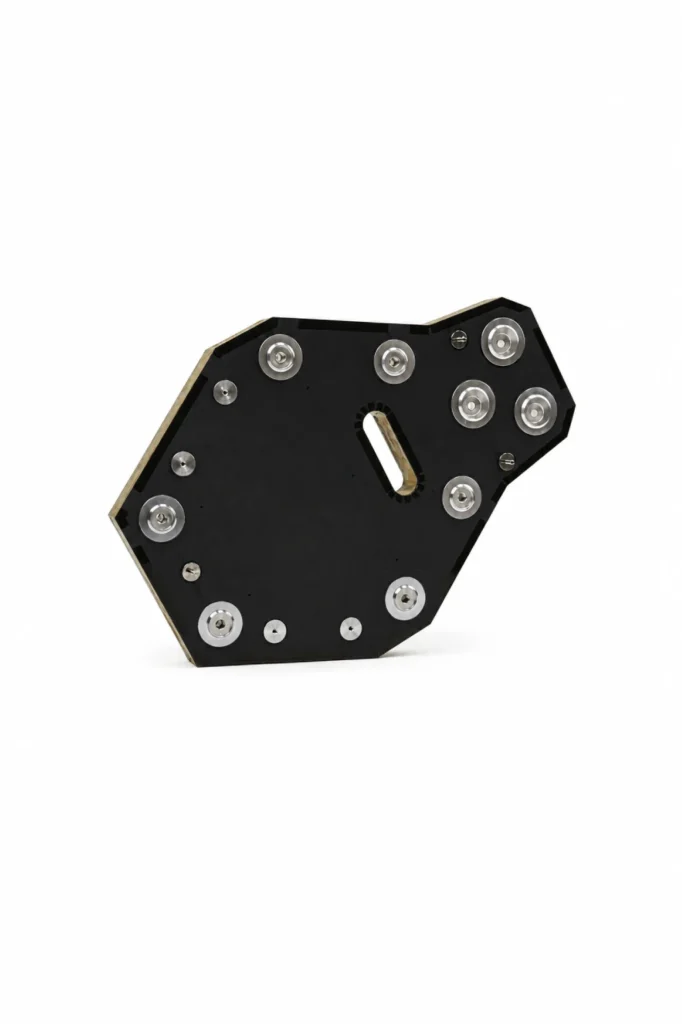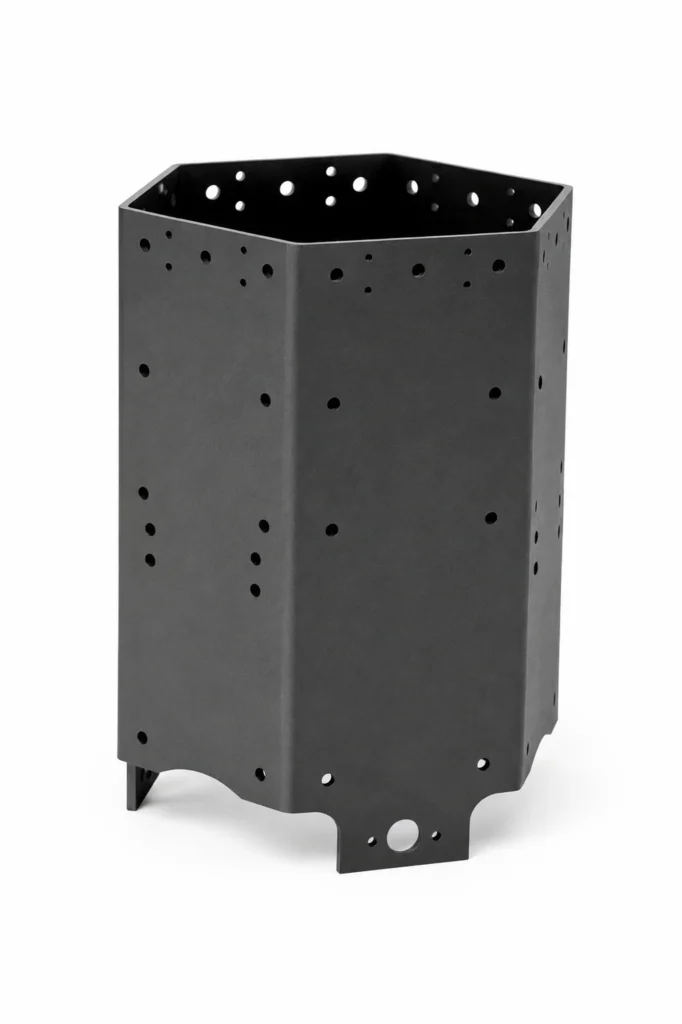
High-precision, dimensionally stable baseplates made from CFRP, Invar, and aluminum for spaceborne optical instruments — delivered as a complete turnkey solution from a single source.
DIMENSIONAL STABILITY
Stability in the micrometer (µm) and microradian (µrad) range throughout the entire mission profile.
MATERIAL COMBINATION
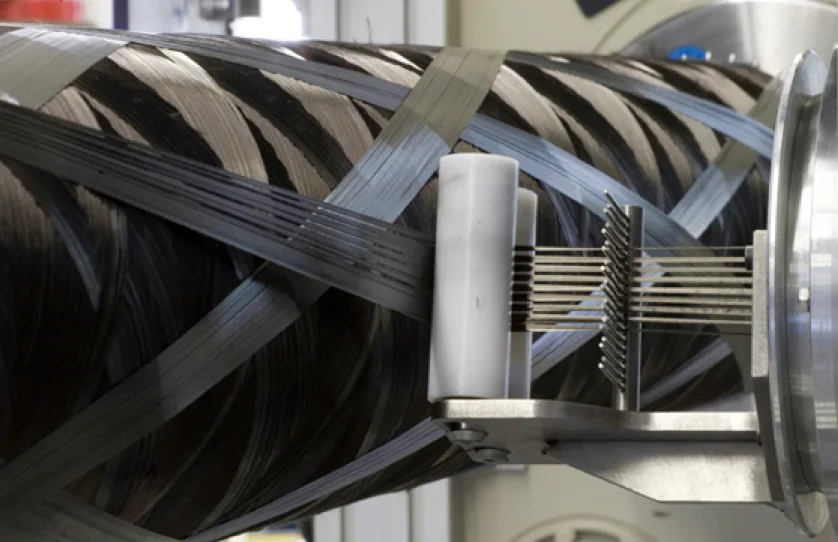
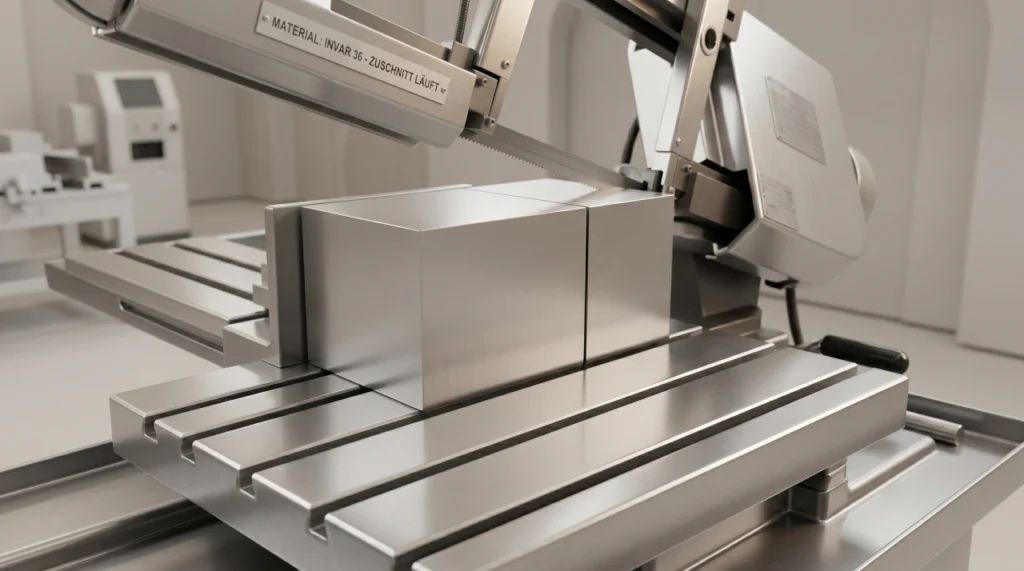
CFRP M55J, Invar, and aluminum — strategically combined to meet the requirements of each application.
INTEGRATION-READY
Vacuum-compatible, tested, and bake-out cleaned for direct system integration.
The Structural Platform for High-Precision Optical Instruments
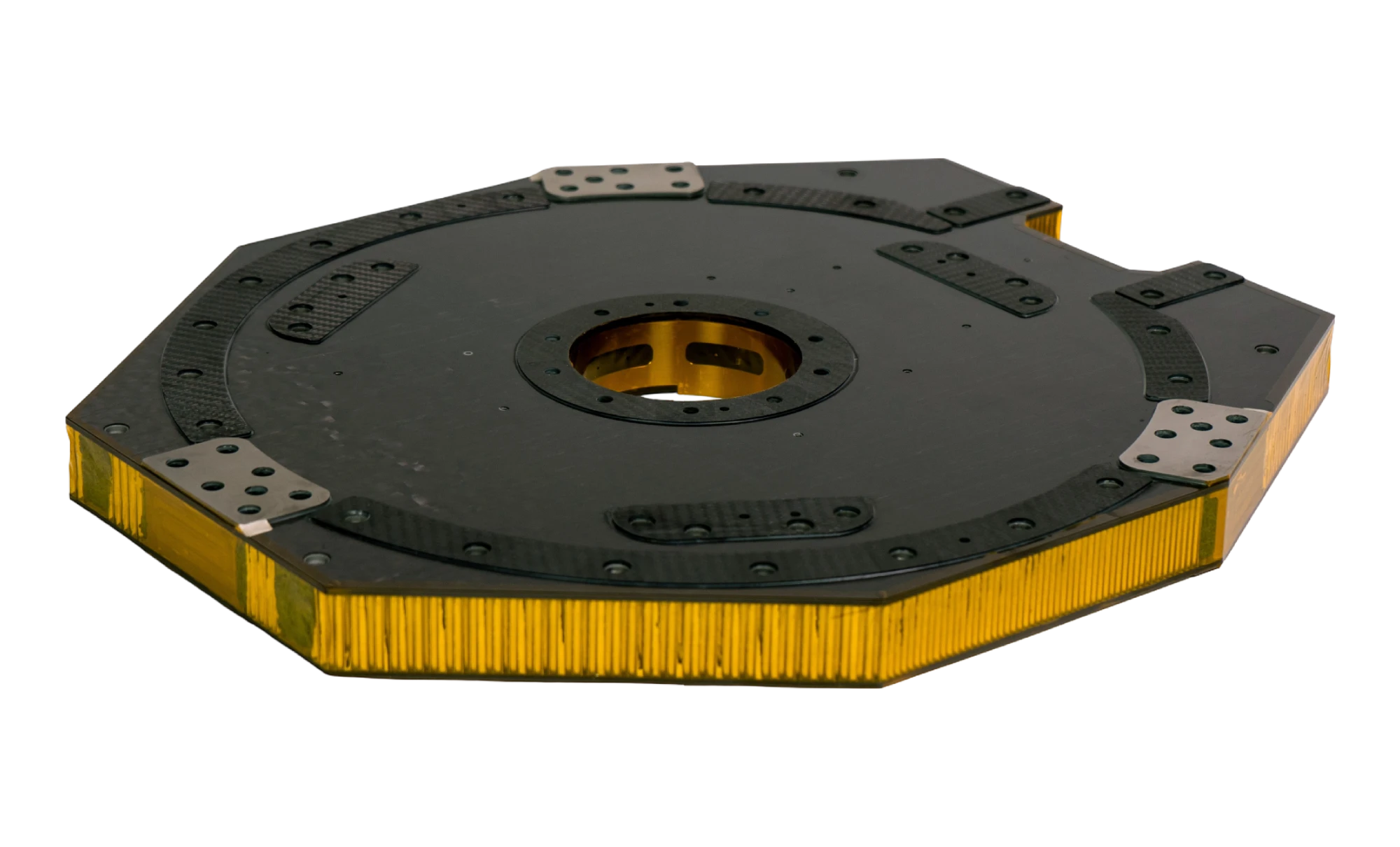
Optical baseplates, also known as optical benches, provide the structural platform on which mirrors, lens mounts, detectors, filter wheels, and beam splitters are precisely positioned relative to one another. In space applications, they must maintain their geometry within micrometer (µm) and microradian (µrad) tolerances under vacuum conditions, thermal cycling, and launch-induced vibrations.
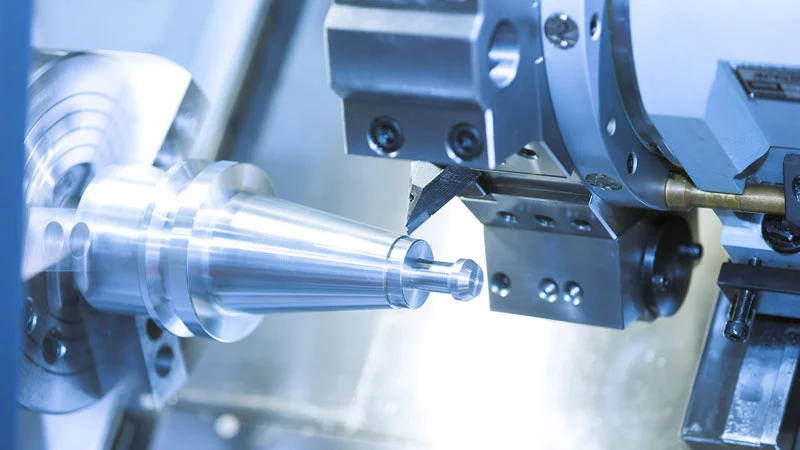
We develop and manufacture optical baseplates made from CFRP, Invar, and aluminum, ranging from compact SmallSat platforms to large-scale optical benches for astronomical instruments.
Graduate Aerospace Engineer (Technical University of Munich) with more than 30 years of experience, including long-term assignment at NASA’s Johnson Space Center in Houston for the ESA X-38 Program.
More than 5 years of experience in the manufacturing of high-precision CFRP structures for space applications. Responsible for telescope structures and optical baseplates at the Connova Group, from the initial feasibility study through to flight-qualified delivery.
Controlled and measurable quality throughout the entire value chain, from material procurement to final delivery, qualified for the most demanding European space programs.
EN 9100
Aerospace & Space
ISO 9001
Quality
Our Space Success Stories
ESA · COPERNICUS
CO2M
CFRP M55J / EX1515 platform developed for the CO₂ Monitoring Mission (CO2M), supporting global greenhouse gas emissions monitoring.
ESA · COMET INTERCEPTOR
COCA
Optical platform Aluminium for the Comet Camera (COCA) aboard the Comet Interceptor mission.
ESA · APOPHIS 2029
RAMSES
CFRP/Invar platform manufactured for the CHANCES telescope as part of the Apophis asteroid mission.
Optical Baseplates – Frequently Asked Questions
What is the difference between an optical baseplate and a telescope structure?
Space composites are advanced fiber-reinforced materials, typically carbon fiber reinforced polymers (CFRP), qualified for operation in the space environment. They combine minimum weight with exceptional specific stiffness and proven performance under vacuum conditions, cosmic radiation, and thermal cycling.
Which materials do you combine to achieve maximum dimensional stability?
ESA SME is the designation awarded by the European Space Agency to small and medium-sized enterprises qualified to supply European space programs. Connova has maintained this status for many years, enabling direct contracting with ESA as well as Tier 1 integrators such as Thales Alenia Space and Almatech.
What is the maximum size of optical baseplates you can manufacture?
We work with the full spectrum of aerospace-qualified composite systems, including standard-, intermediate-, and high-modulus carbon fibers (e.g., M40J, IM7), glass fibers for radome applications, matrix systems ranging from epoxy resins to BMI and cyanate ester, as well as sandwich structures with Nomex® or aluminum honeycomb cores.
How does the bake-out process at Connova work?
Low Outgassing refers to the requirement that materials release only minimal amounts of volatile substances when exposed to vacuum. In space, these substances could contaminate sensitive optical surfaces, including mirrors, lenses, and detectors, potentially compromising mission performance. We qualify our material systems according to the ESA standard ECSS-Q-ST-70-02.